
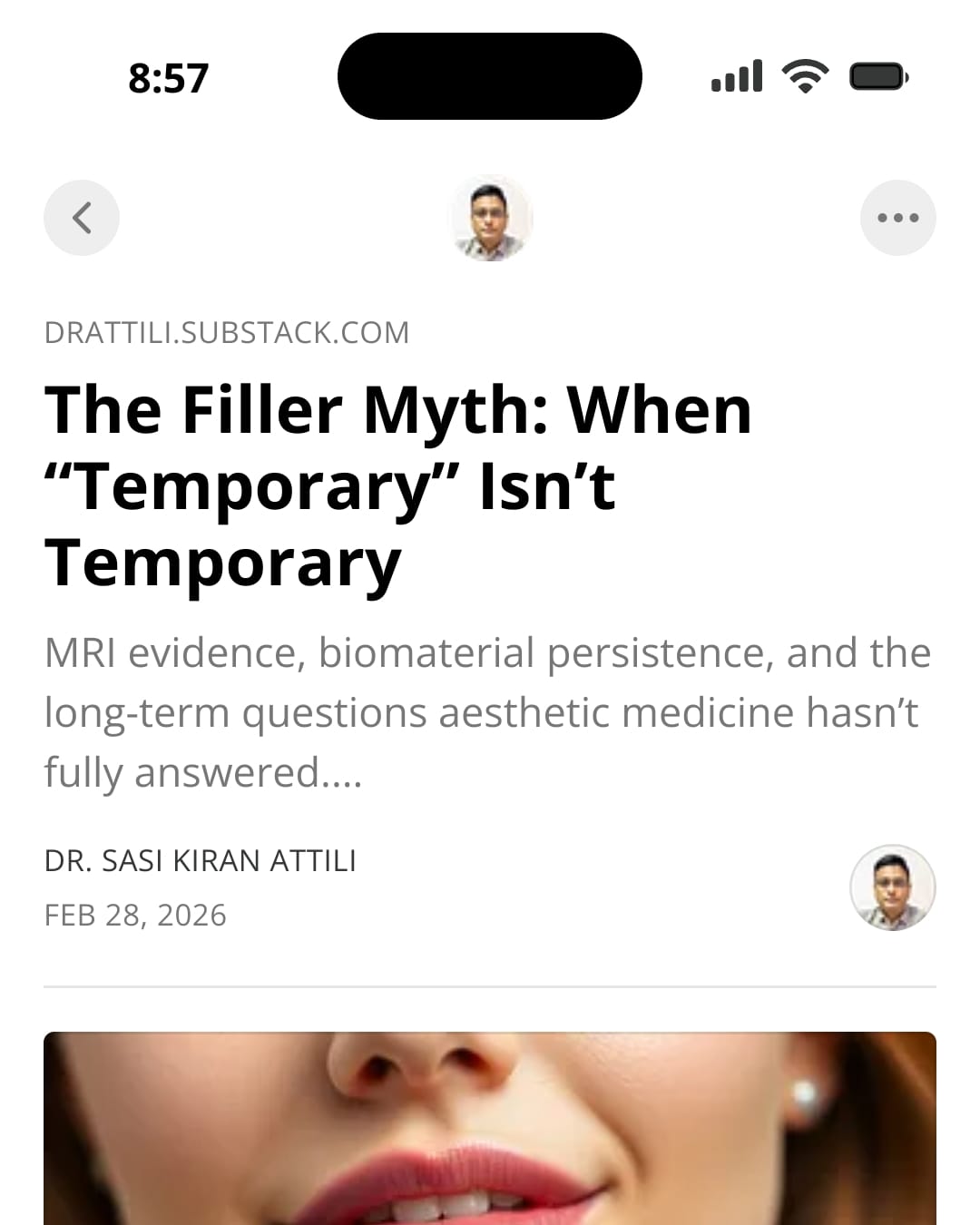
When “Temporary” Isn’t Temporary: A Reappraisal of Dermal Fillers
Dermal fillers are widely described as temporary, reversible aesthetic treatments lasting 6–18 months. That description has shaped patient expectations — and industry messaging — for years. Recent imaging studies, however, suggest that the biological reality may be more nuanced. MRI evidence has demonstrated that hyaluronic acid filler can sometimes persist in facial tissues well beyond […]

AI in Dermatology: How the Next 10 Years Will Change the Way You Access Skin Care
Artificial intelligence is no longer something happening in distant research labs. It is already shaping how medical decisions are made. Over the next decade, it will quietly but profoundly change how you access expert skin care — whether you live in a major city or far from a specialist. This shift is not about replacing […]
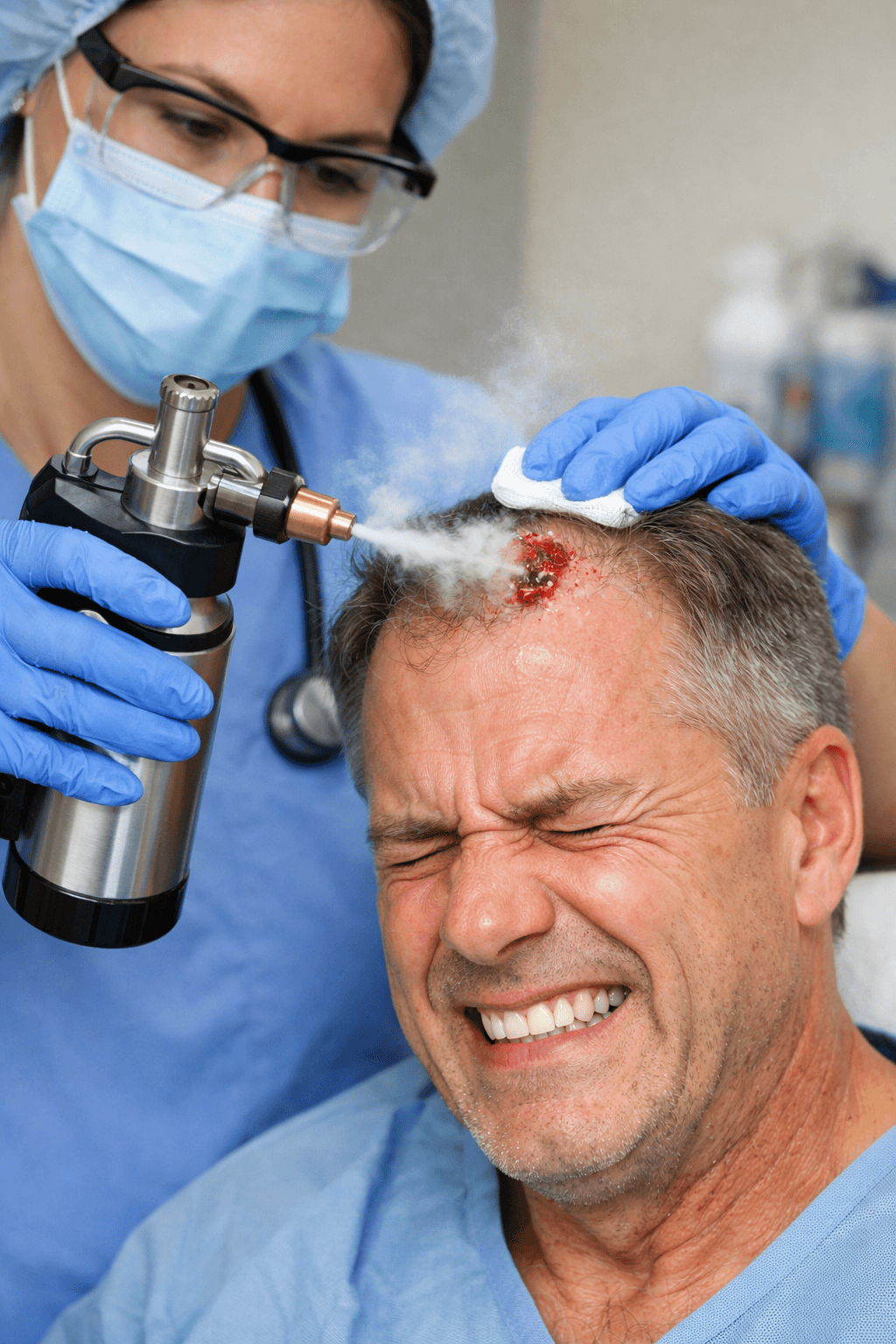
Cryotherapy vs Radiofrequency Ablation for Skin Lesions: What Patients Should Know | Expert Dermatologist Guide
Cryotherapy has been a standard dermatologic procedure for decades and is commonly used to treat warts, skin tags, and other benign skin lesions. However, modern dermatology clinics now have access to additional techniques, including radiofrequency (RF) ablation, which allows more controlled lesion removal. Dr. Sasi Kiran Attili, a UK-trained dermatologist and dermatopathologist, frequently evaluates patients who have undergone […]